Genes Don’t Lie: How One Memoir Unlocks the Secrets in Your DNA and Your Family
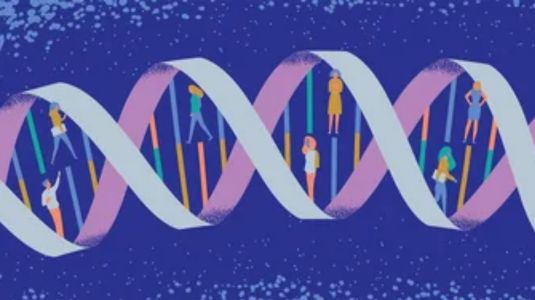
“Genes Don’t Lie” by Zetta Thomelin is not your typical family memoir—it is a DNA-fueled journey where family secrets are thoughtfully revealed. Blending honest confessions with practical guidance, Thomelin offers witty insights for anyone navigating the surprises of their family history.
What Is DNA? The Building Blocks of Family Secrets
DNA is a molecule present in almost all cells of the body and contains the genetic information that determines how living beings develop and function. The term DNA stands for deoxyribonucleic acid, a substance that carries the instructions necessary to form proteins and transmit hereditary characteristics. The information stored in DNA allows cells to grow, repair themselves, and perform their normal functions. Furthermore, DNA is transmitted from parents to children, which also explains why people can inherit physical traits or certain diseases. Its function is related to other important molecules such as RNA.
Throughout the book, Thomelin illustrates how alterations in DNA—whether leading to health discoveries or unexpected family revelations—can profoundly affect lives. She shares why genetic testing may be necessary and encourages readers, just as she experienced, to seek expert guidance when facing complex genetic questions.
DNA has a specific group that allows it to store genetic information and ensure that it is copied correctly when cells divide. The main structures of DNA are:
Double helix: DNA has the shape of a twisted ladder. This structure helps protect and organize genetic information within the cell.
Nucleotides: These are the basic units that make up DNA. Each nucleotide is composed of a sugar, a phosphate group, and a nitrogenous base.
Complementary strands: DNA is made up of two strands that are joined together by nitrogenous bases, forming specific pairs.
Chromosomes: DNA coils and compacts within the cell nucleus, forming chromosomes, where genes are organized.
This association allows genetic information to remain stable and be copied accurately during cell division.
DNA’s Secret Code: Meet the Nitrogenous Bases
Nitrogenous bases are fundamental components of DNA and allow it to store genetic information.
The main nitrogenous bases of DNA are:
• Adenine (A)
• Thymine (T)
• Cytosine (C)
• Guanine (G)
These bases pair up in specific ways: adenine with thymine and cytosine with guanine. This pairing allows DNA to maintain its structure and for genetic information to be copied correctly during cellular processes.
Why DNA Matters: Unlocking Its Powerful Roles
The main functions of DNA are:
Storing Genetic Information
DNA contains the instructions necessary for the development, functioning, and reproduction of organisms. This information is organized into genes.
2. Transmitting Hereditary Information
During reproduction, DNA is transmitted from parents to offspring. In this way, descendants can inherit characteristics such as eye color, height, or certain genetic predispositions.
3. Directing Protein Production
The genes present in DNA contain instructions for producing proteins. These molecules are essential for the body’s functioning, as they participate in processes such as metabolism, cell repair, and the immune system response.
4. Controlling Cell Function
DNA regulates many activities within cells. Thanks to this function, cells can divide, grow, and respond to different signals from the body.
Coping with DNA Surprises: Wisdom from ‘Genes Don’t Lie’
Fulfilling the dream of a real family can become a marathon, and if we experience significant psychological strain, it’s advisable to take a break and seek support to recharge and continue.
Emotional Response Associated with a Negative Beta
It’s common to find cases of people experiencing symptoms of depression and anxiety during this process. Anxiety arises from the perceived danger we assign to each medical appointment related to such an intimate matter as our reproductive capacity. Some people experience a decline in self-esteem by mistakenly equating virility or femininity with the difficulty of conceiving. The entire DNA test is shrouded in secrecy, which can negatively impact a relationship.
Symptoms associated with depression appear after the DNA test turns of negative. And emotions such as sadness, anger, hopelessness, and guilt surface during the process. As a result, we experience greater social isolation due to the extra effort required to engage in activities with people unfamiliar with our situation.
Emotional Survival Guide: Staying Strong Amid Surprises
We can approach this issue from two perspectives: focusing on the problem itself or on our emotions.
Here are some essential emotional tips to help you feel better:
Seek support outside the relationship: family members or friends.
Choose a few people from your inner circle to confide in. Choose people who can understand and appropriately support the process you are going through. Let them know that you don’t want questions. When you are ready, you will reveal your situation and how you feel.
Make plans with family, friends, or a partner.
Create a schedule of activities and stick to it. It’s time to bring something more positive into your life to counteract the negative events.
Don’t center your life on a single goal.
You surely have more projects: professional goals, sporting challenges, a healthy lifestyle, travel, hobbies…
Don’t blame yourselves.
You are not responsible for the failure. There are biological variables you can’t control, and your behavior or mood is not responsible for this negative outcome.
Self-esteem. Love yourself more.
Have you been aware of how you talk to yourself? Would you speak to your best friend like that? You surely have many positive qualities that are going unnoticed. Make a daily list of your qualities, encompassing all the roles you play and providing examples of behaviors that support them.
Deep muscle relaxation, yoga, Pilates, diaphragmatic breathing…
We need to reduce that accumulated stress, and this practice can benefit us enormously.
Daily gratitude.
Reflect on the little things in your life that you’re grateful for (for example: the warmth of the sun, the colors of the sea, the scent of flowers, etc.). Idea: Take a daily photo capturing these moments; it’s more important than you think.
Finding Strength in Setbacks: Lessons from DNA Journeys
In “Genes Don’t Lie,” Thomelin reminds us that every setback is an opportunity to learn and grow. Her story encourages readers to embrace each challenge as a stepping stone on the journey to self-understanding and family connection.
Discover more about in “Genes Don’t Lie”. Embark on a journey with Zetta Thomelin through the fascinating world of DNA, family, and self-discovery. Your next chapter starts here!