Self-Help? Self-Hypnosis! What Self-Hypnosis Really Is (and Is Not)
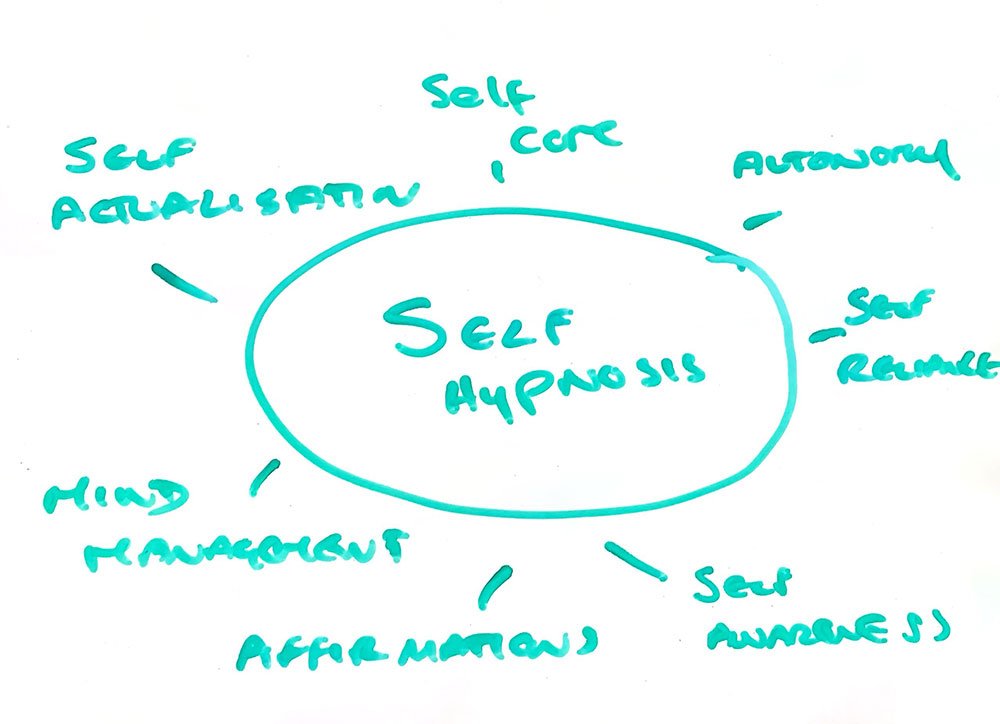
Much has been said about hypnosis, often drawing on certain tropes and clichés prevalent in film and literature. The image of being able to subjugate someone to our will through an object or a hypnotic technique involving voice or gestures is ingrained in many people’s minds, but the truth is that it is a state that has little to do with this and, in fact, goes much further.
A Modern Guide to Mind Mastery
Self-Help? Self-Hypnosis! by Zetta Thomelin demystifies the concept of self-hypnosis and offers practical guidance for using it as a tool for personal therapy. Unlike many books that focus solely on entering a trance state, this book emphasises what to do once in hypnosis. Thomelin explains the mechanics of hypnosis, dispels common myths, and provides step-by-step instructions on using language, stories, and ideas to change mental patterns and behaviours. The book is organised into sections targeting specific areas of self-improvement, making it user-friendly and actionable. Sample sessions are included to help readers design their own therapeutic approaches that go well beyond simple affirmations.
Unlocking the Power of Self-Hypnosis
Self-hypnosis is a technique that induces a state of deep relaxation, similar to a hypnotic trance, to access the subconscious mind and modify thoughts, behaviors, and emotional patterns that limit or harm us. Self-hypnosis is based on the principle that the subconscious mind is responsible for a large part of our personality, beliefs, habits, and automatic reactions to life situations. By connecting with this part of our mind, we can reprogramme it with new ideas, attitudes, and responses that help us achieve our goals and improve our well-being.
Zetta Thomelin in “Self-Help? Self-Hypnosis” explains what this particular state, which generates so much doubt and confusion, consists of and what it doesn’t. Thomelin points out that hypnosis generates a state of focused conscious attention with a momentary dissociation, allowing access to unconscious abilities, even those usually considered inaccessible. In other words, through hypnosis we can reach states normally hidden or closed off to our bodies.
The Science Behind the Trance
Through hypnosis, a pleasant state is generated during which “doubts and fears are suspended, and a great deal of bodily and muscular relaxation occurs.” All of this fosters active and creative thinking while providing access to functions typically associated with the parasympathetic nervous system or the unconscious, as demonstrated in various scientific studies.
Busting Hypnosis Myths
Many patients come to therapy with false myths about clinical or medical hypnosis. Thomelin thinks you might find it interesting to hear about them.
- Hypnotized People Lose Consciousness. This is not the case. On the contrary, concentration improves, and focus is enhanced in an unusual way. If the person lost consciousness, the practitioner would be unable to communicate with the patient undergoing therapy or bring them out of that state.
- Hypnosis Is A Form Of Sleep. This myth persists due to the popular belief that to be hypnotized, one must have their eyes closed. Closing the eyes facilitates concentration, but a person can be hypnotized with their eyes open.
- Hypnosis Involves A Loss Of Willpower. If a person is unwilling to be hypnotised, there will be no hypnosis. Hypnosis cannot be induced without the subject’s cooperation.
- The Hypnotized Person Is Under The Professional’s Control. This is false, as hypnotised people are not dominated by the professional. They retain their full capacity to make decisions. If a person is ordered to do something against their will or their personal code of conduct, they will immediately come out of the state of super-concentration. People “obey” what they want, never against their own will.
- In Hypnosis, One Can Accurately Recall Everything That Has Happened Throughout Their Life. Some people think that once they are in a state of super-concentration, they can remember all past experiences with absolute precision. But this is not the case; the person can fabricate and invent a story about their life.
- Success In Getting A Person Into A State Of Super-Concentration Is Due To The Hypnotist’s “Power.” Anyone can apply the technique. You don’t need any “gift” to learn the techniques for relaxing a person and bringing them to a state of super-concentration.
- People Can’t Remember What Happened While They Are In A State Of Super-Concentration. Most people remember everything, or almost everything, that was said to them and what they did while in that state.
- Hypnosis Is A Therapy. We must understand that hypnosis is not a therapy in itself. Hypnosis is simply a specific technique that can be usefully employed by healthcare professionals within the context of their individual professional practice.
After debunking the myths about hypnosis in Self-Help? Self-Hypnosis! Thomelin can help you. Once we debunk the myths about hypnosis, you’ll see how useful it can be in your life.
Getting Started: Your First Self-Hypnosis Session
Let’s take a practical look at self-hypnosis. There are many techniques, but we’ll use one combined with visualisation.
- Lie down comfortably in a quiet, peaceful space with soft or pleasant lighting. Then, look upwards as if you were trying to see your eyebrows. Keep your gaze fixed for a while until you feel your eyelids droop. Close your eyes and rest.
- While breathing deeply and slowly, mentally scan your limbs, noticing how heavy and loose they feel in a relaxed way. Gently release the tension in your muscles.
- The next step in your self-hypnosis practice is visualisation. See, imagine, and feel a pleasant landscape that brings you peace and tranquillity. Smell the aromas in the air, hear the sounds, and so on, as your body sinks deeper and deeper into relaxation.
- Once you feel you have reached maximum relaxation, you will be ready to introduce the image you wish to visualise. For example, imagine yourself speaking successfully in public, quitting smoking, eating healthily, and feeling more energetic and healthier each day, and so forth.
Setting Realistic Expectations
Thomelin’s advice: The words hypnosis and self-hypnosis suggest, for many, fantastic abilities to achieve things far beyond what is actually possible.
Self-hypnosis is an aid to channeling your goals, but it’s not a magic formula like “when you snap your fingers, you’ll wake up and quit smoking forever.”
If that’s what you expect from a practical guide to self-hypnosis, read Self-Help? Self-Hypnosis!
